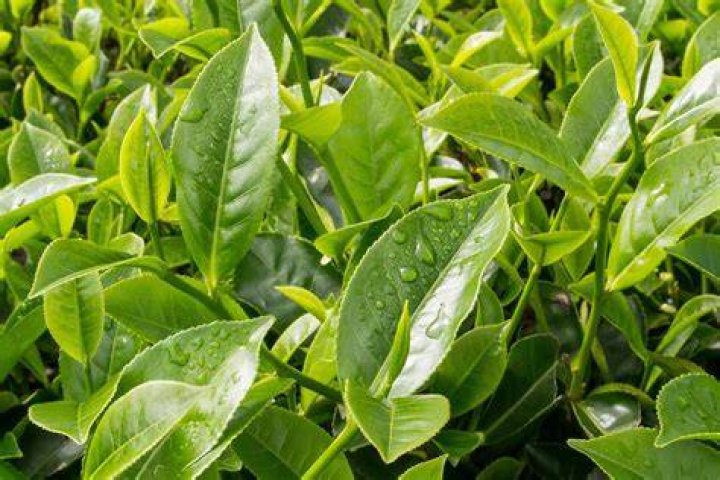
Is green tea leaves good for plants?
 Joseph Russell
 .
Also, is green tea good for plants?
Green tea. Green tea also increases nutrient levels in soil and improves oxygenation, which helps roots thrive. You can add tea leaves right into your soil or water your plants with brewed tea after it has cooled. Again, be sure to use this on plants that thrive in more acidic conditions.
Additionally, can you use tea leaves as fertilizer? Not only can you compost tea bags as fertilizer in the compost bin, but loose leaf teas and compostable tea bags may be dug in around plants. Using tea bags in compost adds that nitrogen-rich component to the compost, balancing the carbon-rich materials. Tea leaves (either loose or in bags)
Also to know, which plants like tea leaves?
Sprinkle your used tea leaves around the base of acid-loving plants, including your tomatoes and roses. Tea leaves contain all the big three nutrients (NPK) ,as well as some trace minerals. Sprinkle the used leaves on the soil and gently scratch them in. Of course, you can also add tea leaves to your compost pile.
What can you do with used green tea leaves?
10 Ways to Reuse Leftover Green Tea
- Soak you Feet. Let us kick it off with a weird one, apparently, you can bathe your feet in green tea leaves.
- Get Rid of Bad Smells in your Fridge.
- Clean Carpets.
- Reduce Humidity in your Home.
- Deter Bugs.
- Reduce Acne.
- Remove Toilet Stains.
- Use as a Mouthwash.
Related Question Answers
Are eggshells good for plants?
Fertilizer. Above: When tilled into the soil, ground eggshells provide your plants with calcium. Though nitrogen, phosphorus, and potassium are most vital for healthy growth, calcium is also essential for building healthy “bones”—the cell walls of a plant. More shells can be mixed into your soil in the spring.Can I water my plants with tea?
Tea is a good fertiliser for pot plantsThe theory Tea contains nutrients and trace minerals that promote healthy growth in plants. The verdict False: regular watering and an occasional liquid feed are better for plant health than relying on tea. Used tea leaves are best added to your compost heap.Are tea bags good for roses?
Containerized RosesRoses, like all other container-grown plants, lose nutrients more quickly than the same specimens grown in the ground. When planting roses in containers, you can position several spent teabags over the drainage holes. The bags will absorb water, allowing the plant more time to take up water.Which plants should I put tea grounds in?
Use coffee grounds as mulch for acid-loving plants — roses, azaleas, rhododendrons, evergreens, hydrangeas and camellias. They like coffee grounds for the natural acidity and nutrients they add to the soil. Sprinkle coffee grounds around areas of ant infestation to deter them.What does tea bags do for plants?
It is important to note that not all plants respond well when tea grounds and used tea bags are added to the soil, directly or in compost form. The natural tannic acid inside tea leaves leaches into the soil with rainwater as tea grounds decompose, thereby lowering the soil's pH and increasing acidity.How do you fertilize plants?
You can feed the roots of your plants by applying manure and compost during planting and before the growing season to build up the nutrients in your soil. Also, when your plants are well established, you can add fertilizer to the base of the plants to add necessary nutrients to the plants.Is tea high in nitrogen?
Tea leaves are organic matter that can improve the structure of your soil. Because their nitrogen content can be as high as 4.15 percent, they are also an excellent source of nutrients for your plants because they gradually release nutrients into the soil.How do you make homemade fertilizer for plants?
Organic Tea FertilizerMix 1/4 cup of Epsom salt with two cups of urine – this may seem like an odd step but it really does work. Mix this with two cups of ash from your wood stove or fireplace and then fill the five gallon bucket up with grass clippings or even weeds that you pull from your garden.Do tea leaves deter slugs?
Repel PestsAphids, caterpillars, snails, slugs, and other plant eating creatures can be kept at bay by simply sprinkling some tea leaves into the soil. It is believed that this works because these creatures do not like the smell of the caffeine present in tea.Is sugar good for plants?
Plants produce their own food through photosynthesis. Plants trap the sunlight and produce carbohydrates, sugars and starches, which it converts to energy. However, too much sugar can actually cause reverse osmosis to occur, making the plant to lose water and eventually die.Are banana peels good for plants?
Nutrients. Banana peels contain nutrients that are essential for healthy potted plants. However, they don't contain everything your plant needs. As they decompose, banana peels add potassium as well as small amounts of nitrogen, phosphorus and magnesium to the soil in a similar fashion as a slow-release fertilizer.How do you make tea out of leaves?
Steps- Pour fresh, cold water into a saucepan or kettle.
- Heat the water until it reaches 160 to 212 °F (71 to 100 °C).
- Weight out 2 to 3 grams of loose leaf tea for every 6 fl oz (180 mL) of water.
- Steep the tea in hot water for 3 to 5 minutes.
- Remove the tea leaves from the water once they've steeped.
Does caffeine kill plants?
It also increases the pH levels in the soil. This increase in acidity can be toxic to some plants. Studies involving the use of caffeine on plants have shown that, initially, cell growth rates are stable but soon the caffeine begins to kill or distort these cells, resulting in a dead or stunted plant.What plants are acid loving?
Acid-loving plants include:- Vegetables: sweet corn, cucumbers, beans, broccoli, turnips, squash, onions.
- Fruits: cranberries, blueberries, huckleberries.
- Trees: evergreens, beech, willow, oak, dogwood.
- Flowering plants: azaleas, rhododendrons, hydrangeas, camellias, daffodils.
Is milk good for plants?
Milk is a good source of calcium, not only for humans, but for plants as well. It contains beneficial proteins, vitamin B and sugars that are good for plants, improving their overall health and crop yields. The microbes that feed on the fertilizer components of milk are also beneficial to the soil.Are tea bags good for orchids?
Used tea bags, which are high in nitrogen, are especially good for orchids. Tea bags contain organic matter that is non toxic and does not smell bad. To use the tea bag, open it and empty the contents into the orchid pot. Apply once monthly in the spring and summer months.What are tea leaves used for?
Uses of Brewed tea leaves : Tea apart from being one of the most consumed beverages has rather nice uses after it has done its work. Tea adds nutrients to the soil: Tea leaves contain tannic acid and nutrients that are natural fertilizers for a garden.What does Epsom salts do for plants?
Epsom salt helps improve flower blooming and enhances a plant's green color. It can even help plants grow bushier. Epsom salt is made up of hydrated magnesium sulfate (magnesium and sulfur), which is important to healthy plant growth.How do you fertilize soil?
Method 2Using Plants and Wood Ash as Fertilizer- Use grass clippings. Grass clippings make great organic fertilizer as they provide moisture for the soil and prevent weeds from cropping up.
- Make green manure with plants. Green manure is a good, natural fertilizer for your garden.
- Use wood ash or sawdust as fertilizer.