What are the 4 main types of food contamination?
 Sophia Aguilar
 .
Similarly, it is asked, what are the 4 types of food contaminant?
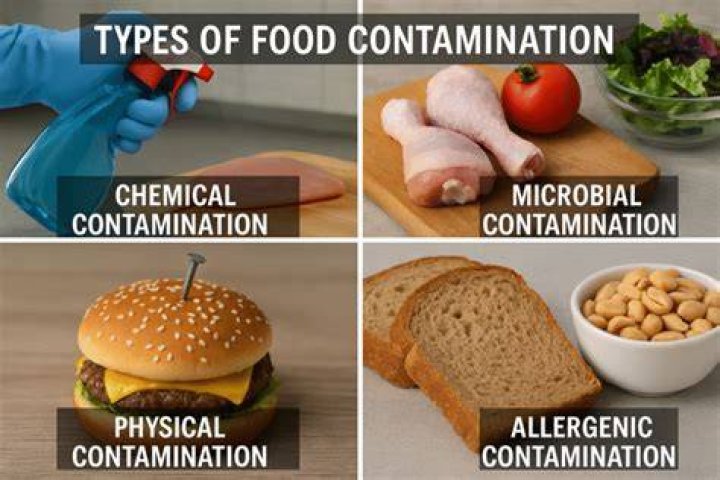
There are four main types of contamination: chemical, microbial, physical, and allergenic. All food is at risk of contamination from these four types. This is why food handlers have a legal responsibility to ensure that the food they prepare is free from these contaminants and safe for the consumer.
Similarly, what are the three main types of food contamination? While there are many food safety hazards that can cause food contamination, most fall into one of three categories: biological, physical or chemical contamination. It's important to understand what the potential hazards are when it comes to food, especially if you are preparing or serving food for someone else.
Similarly, what are the types of food contamination?
The Types of Food Contamination There are three categories of food contamination: physical, chemical, and biological.
What are the 3 types of contamination?
Here are the three types of contaminants: Biological: Examples include bacteria, viruses, parasites, fungi, and toxins from plants, mushrooms, and seafood. Physical: Examples include foreign objects such as dirt, broken glass, metal staples, and bones. Chemical: Examples include cleaners, sanitizers, and polishes.
Related Question Answers
How does food become unsafe?
Food can be contaminated when a person who is preparing the food has not washed his/her hands. Foodborne illness can be caused when food is not kept at the correct temperature and a germ in a food is allowed to multiply. Food can also become unsafe if a chemical (such as a cleaning product) is spilled into food.What can cause food contamination?
Infectious organisms — including bacteria, viruses and parasites — or their toxins are the most common causes of food poisoning. Infectious organisms or their toxins can contaminate food at any point of processing or production. Contamination can also occur at home if food is incorrectly handled or cooked.What is physical contamination?
Physical contaminants (or 'foreign bodies') are objects such as hair, plant stalks or pieces of plastic/metal that can occur as contaminants in food.What are 5 physical contaminants?
Physical contamination occurs when actual objects contaminate the food. Common physical contaminants include hair, glass, metal, pests, jewellery, dirt and fake nails.What is a high risk food?
Foods that are ready to eat, foods that don't need any further cooking, and foods that provide a place for bacteria to live, grow and thrive are described as high-risk foods. Examples of high-risk foods include: cooked meat and fish. gravy, stock, sauces and soup. shellfish.What is basic food hygiene?
Basic Food Hygiene. Description. The objective of the Primary Course in Food Hygiene is to create an awareness and knowledge in food workers and others involved in providing services to the food industry of the reasons for, and the importance of good food hygiene practices.What is meat contamination?
The important contamination comes from external source during bleeding, handling and processing. During bleeding, skinning, and cutting, the main sources of microorganisms are the body parts of the animal and the intestinal tract. The psychrotrophic bacteria may also contaminate meat.How does contamination happen?
Food contamination occurs when a microbial or environmental contaminant enters food (microbial being more common). Microbial contaminants include bacteria, mold, fungi, viruses, or their toxins/by-products. Environmental contaminants include pesticides, heavy metals, and other chemicals.How can we prevent food contamination?
Here are some tips to help you reduce your risk of food poisoning at home.- Wash your hands.
- Wash worktops.
- Wash dishcloths.
- Use separate chopping boards.
- Keep raw meat separate.
- Store raw meat on the bottom shelf.
- Cook food thoroughly.
- Keep your fridge below 5C.
What are contamination hazards of food?
Food safety hazards occur when food is exposed to hazardous agents which result in contamination of that food. Food hazards may be biological, chemical, physical, allergenic, nutritional and/or biotechnology-related.What is chemical contamination of food?
Chemical contamination occurs when food comes into contact with chemicals – and can cause 'chemical food poisoning'. Some of the most common causes of chemical contamination are cleaning products, or unwashed fruits and vegetables.Does cooking food kill bacteria?
Won't cooking kill bacteria? Cooking food to 160 degrees F will kill most bacteria. (Some meats need to be even hotter. But if the food has been at room temperature for more than two hours, bacteria may have accumulated to dangerous levels and formed heat-resistant toxins that cannot be killed by cooking.What are the sources of food contamination and poisoning?
Salmonella bacteria (there are many types) are another major cause of food poisoning in the United States. The most commonly contaminated foods are raw meat (including chicken), raw or undercooked eggs, and unpasteurized milk. Fortunately, salmonella are killed when the food is cooked thoroughly.Which food contaminants pose the highest risk to consumers?
5 Foods That Pose the Highest Food Safety Risk for Contamination- Poultry. If not handled properly, raw and undercooked poultry (i.e. chicken and duck) have an extremely high contamination risk.
- Eggs. Salmonella is also an issue with one of the biggest breakfast foods in the world.
- Dairy Products.
- Coffee.
- Seafood.
What is bacterial contamination?
Bacterial contamination is an ecological phenomenon, comprising changes in the available substrates and production of volatile compounds due to the presence of microbes in the stored product.What causes microbiological contamination?
Microbiological Contamination. Microbiological contamination refers to the non-intended or accidental introduction of infectious material like bacteria, yeast, mould, fungi, virus, prions, protozoa or their toxins and by-products.What is the effect of microbiological contamination of food?
When food eventually contaminated by disease-causing microorganisms is consumed, pathogens or their metabolites invade the host's fluids or tissues and trigger serious types of diseases, such as tuberculosis.How do you ensure food safety?
10 ways to ensure food safety in your business- Plan the design and location of your facilities.
- Understand your machinery and production lines.
- Take a proactive approach to maintenance.
- Put measures in place to control pests.
- Provide appropriate waste management.
- Clean regularly.
- Be aware of environmental hygiene.